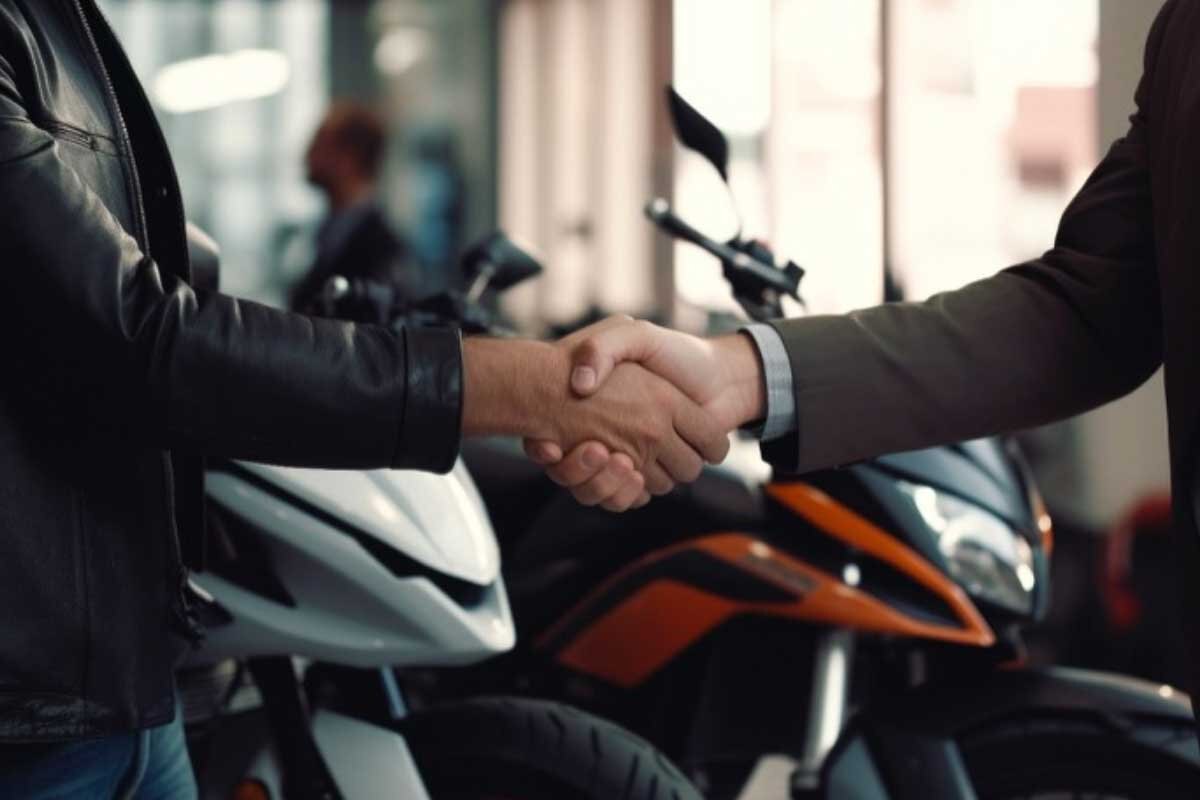
Why Should You Buy Your Powersports Vehicle from an Authorized Dealer Instead of a Private Sale?
 Print
 Contact Us
 Share this


QUICK ANSWER
Buying from an authorized dealer gets you a manufacturer warranty, a pre-delivery inspection by factory-trained technicians, financing options, clean paperwork, and recall support. In Ontario, purchases from registered dealers also come with legal protections that private sales don't have. A private sale may cost less upfront, but you take on the risk of hidden mechanical problems, liens, and stolen or misrepresented vehicles yourself.
If you're shopping for an ATV, side-by-side, or motorcycle, you've probably seen a listing on Marketplace or Kijiji that looks like a great deal. So why should you buy your powersports vehicle from an authorized dealer instead of a private sale?
What Is an Authorized Dealer, and How Is It Different?
An authorized dealer has a direct agreement with the manufacturer. That means the dealer sells current models sourced through the brand's Canadian distribution, has technicians trained on those models, gets genuine parts, and can process warranty and recall work. An independent used dealer can sell almost anything but usually can't do factory warranty work. A private seller is just the current owner, with no obligation beyond handing over the paperwork.
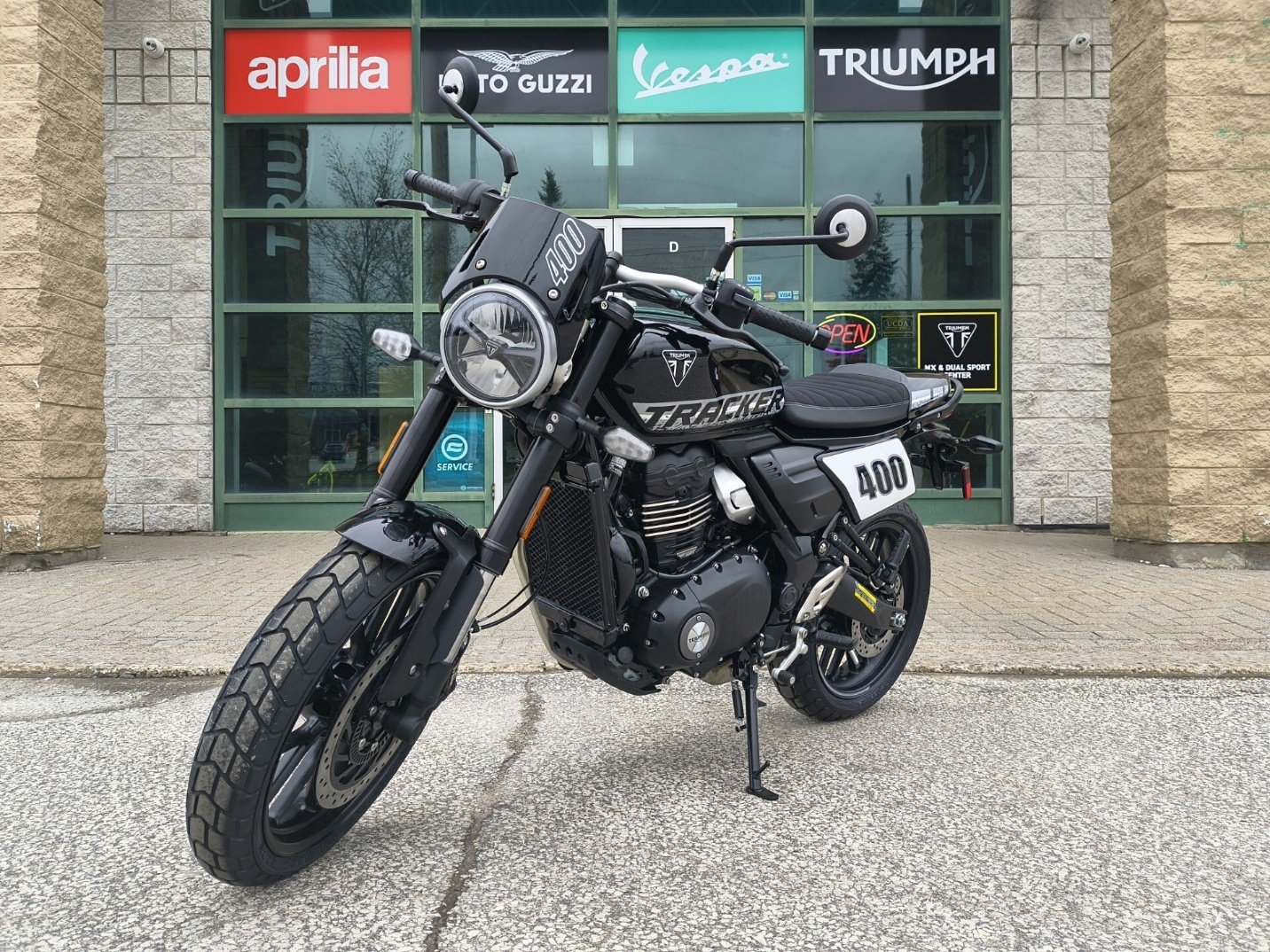
This matters because the brand stands behind the machine through the dealer. Maxxim Motorsports is an authorized dealer for brands including CFMOTO, Triumph, Argo, Suzuki, and the Piaggio Group brands. You can read more about what that means in our post on becoming an authorized Vespa, Aprilia, and Moto Guzzi dealer, including why buying from an authorized dealer protects you from grey-market imports.
Why Should You Buy Your Powersports Vehicle From an Authorized Dealer Instead of a Private Sale?
-
You get a warranty instead of "as-is"
New machines from an authorized dealer come with the full manufacturer warranty, registered in your name from day one. Most private sales are as-is. If the transmission fails a week later, that's your bill. Some manufacturer warranties can be transferred to a second owner, but the rules vary by brand, so never assume a private-sale machine is still covered until an authorized dealer confirms it.
-
Someone qualified has inspected the machine
Every new unit gets a pre-delivery inspection before it leaves the shop, and pre-owned units should be checked and serviced too. A private seller may not know about a problem, or may not mention it. Common hidden issues on used powersports machines include worn CVT belts, water in the oil, cracked frames, and service hours that don't match how the machine looks. If you're not able to spot those, a dealer purchase removes most of the guesswork.
-
You can finance it
Private sellers usually want cash or an e-transfer on the spot. Dealers work with lenders and often have manufacturer promotional rates on new models. Our powersports financing team can walk you through the options, and spreading the cost can make the difference between a well-equipped new machine and an older one with unknown history.
-
The paperwork is handled properly
A dealer takes care of the bill of sale, registration documents, and taxes. In a private sale, you're responsible for checking that the seller actually owns the vehicle, that the VIN matches the documents, and that there's no money owing on it.
-
You have support after the sale
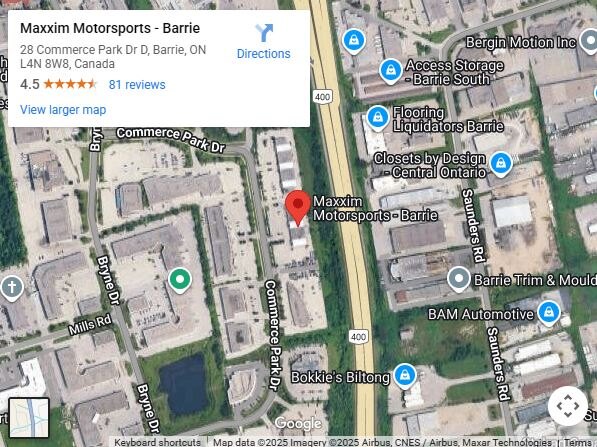
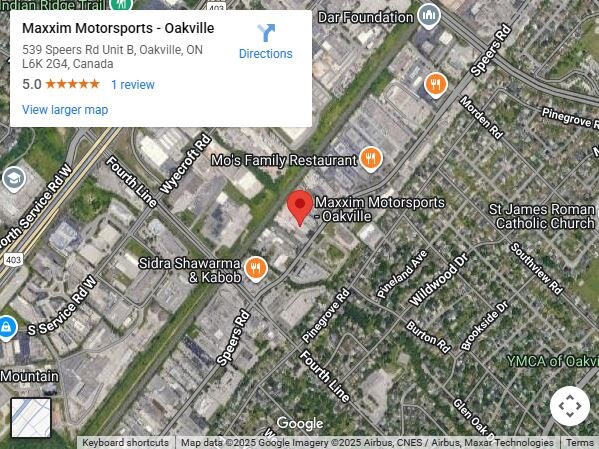
Recalls, warranty repairs, genuine parts, and service history all come through the dealer. When a manufacturer issues a recall, authorized dealers get the notice and do the work at no cost to the owner. Having one shop that knows your machine also makes future service easier. Our Barrie service department and Oakville service department handle warranty and recall work for the brands we sell, and our parts department stocks or can order genuine parts.
What Protections Do Ontario Buyers Get From a Registered Dealer?
In Ontario, when you buy a road-registered vehicle such as a motorcycle or scooter from a registered dealer, you have rights under the Motor Vehicle Dealers Act, which is enforced by OMVIC. According to the Government of Ontario, dealers must advertise all-inclusive pricing (only taxes extra) and disclose key facts like the odometer reading and whether the vehicle has been branded salvage or rebuilt. If certain information is missing or wrong, you can cancel the contract within 90 days.
There's also a financial safety net. OMVIC's compensation fund reimburses eligible buyers who suffer a proven financial loss in a transaction with a registered dealer, and buyers who purchase privately do not have access to it. Eligible claims can receive up to $45,000 per vehicle transaction.
In Ontario, buying from a registered dealer gives you legal protections that a private sale does not: all-in pricing, required disclosures, a 90-day cancellation right if key facts are wrong, and access to OMVIC's compensation fund. Private buyers have none of these and must check liens, ownership, and condition on their own.
What Are the Real Risks of Buying a Powersports Vehicle Privately?
The biggest one is a lien. If the seller still owes money on the machine, the Ontario government is clear that the lien claimant keeps a right to the vehicle, or the amount owed, from the buyer after the transfer. In plain terms, you could pay for a machine and still owe someone else's loan.
Stolen and misrepresented machines are the second risk. Powersports vehicles are easy to move and resell, and hour meters can be swapped or reset. Scams on online marketplaces often involve deposits for machines that don't exist, or sellers who aren't the registered owner. Tax is the third, and it surprises a lot of people. When you buy privately, you pay retail sales tax at ServiceOntario based on the higher of your purchase price or the vehicle's average wholesale value, so a "cheap" price doesn't always mean cheap tax.
Authorized Dealer vs. Private Sale: Side-by-Side Comparison
| Factor | Authorized dealer | Private sale |
|---|---|---|
| Warranty | Full manufacturer warranty on new; dealer options on pre-owned | Usually as-is; transfer depends on brand |
| Inspection | Pre-delivery inspection by trained technicians | Buyer arranges and pays |
| Financing | Lender and manufacturer rate options | Usually cash only |
| Paperwork | Handled by the dealer | Buyer verifies ownership, VIN, UVIP |
| Liens and fraud risk | Dealer clears title before sale | Buyer's responsibility |
| Recalls | Dealer notified and does the work | Buyer must check |
| Legal protection (Ontario) | Motor Vehicle Dealers Act and OMVIC fund (registered vehicles) | No OMVIC fund access |
| Trade-in | Accepted and applied to the purchase | Not available |
| Upfront price | Usually higher | Often lower, more room to negotiate |
| After-sales support | Service, genuine parts, warranty claims | None from the seller |
When Does a Private Sale Make Sense?
We'll be honest: private sales aren't always a bad idea. If you're mechanically experienced, buying an older machine that's past warranty anyway, or buying from someone you know with a full service history, a private sale can save money. Some riders are happy to take on a project bike. The key is going in with your eyes open and doing the checks a dealer would normally do for you.
If you still buy privately, use this checklist
- For road-registered vehicles, ask for the Used Vehicle Information Package (UVIP). The seller is legally required to provide it, and it shows ownership history and liens.
- Match the VIN on the frame to the ownership and the UVIP.
- Confirm the seller's ID matches the registered owner.
- Check for open recalls with the manufacturer or an authorized dealer.
- Have the machine inspected by a qualified technician before you pay.
- Meet in a public place in daylight and never send a deposit for a machine you haven't seen.
For off-road vehicles like ATVs and side-by-sides, registration and paperwork rules differ from road vehicles, so confirm the requirements with ServiceOntario before you hand over any money.
Buying From an Authorized Dealer Instead of a Private Sale in Barrie and Oakville
If you'd like the peace of mind of a dealer purchase, browse our new inventory in Barrie or the full Barrie inventory, including pre-owned units. Already own a machine? We take trade-ins, which saves you the hassle of selling privately. And once you've bought, our article to essential maintenance tips for CFMOTOs will help you protect your investment and your warranty.
Frequently Asked Questions
Q: Is it cheaper to buy a motorcycle or ATV privately than from a dealer?
The sticker price is often lower in a private sale, but it is not always cheaper overall. Private buyers in Ontario pay 13% retail sales tax on the purchase price or the vehicle's average wholesale value, whichever is higher, and they cover any repairs, missing maintenance, or lien problems themselves. Compare the total cost, not just the asking price.
Q: Does the manufacturer warranty transfer when you buy a used powersports vehicle privately?
It depends on the brand and the warranty terms. Some manufacturer warranties transfer to a second owner and some require registration or a transfer process. Ask the seller for the original paperwork and confirm the remaining coverage with an authorized dealer for that brand before you pay.
Q: What do I need from the seller when buying a used motorcycle privately in Ontario?
For a road-registered vehicle, the seller must give you a Used Vehicle Information Package (UVIP), a signed bill of sale, and the signed transfer section of the ownership permit. You may also need a Safety Standards Certificate to plate it. Check that the VIN on the vehicle matches the paperwork.
Q: How do I check if a used ATV or motorcycle has a lien in Ontario?
For a road-registered vehicle, the UVIP shows lien information registered in Ontario. If a lien exists, the creditor can claim the vehicle or the amount owing from you after the transfer. Never pay until any lien has been cleared and confirmed in writing.