How Long Rides Affect Your Motorcycle’s Performance and What You Can Do About It
 Print
 Contact Us
 Share this


Quick answer: Long rides put your motorcycle through continuous thermal, mechanical, and fluid stress, speeding up wear on the engine oil, tires, chain, brakes, suspension, and fasteners. Heat thins engine oil, raises tire pressure, dries out chain lubricant, and wears down brake fluid and suspension seals. None of this is dangerous if you keep up with inspections and maintenance before, during, and after your trip — but skipping these checks can turn small issues into costly repairs or roadside breakdowns.
How Do Long Rides Affect Motorcycle Performance?
A short commute barely warms up your motorcycle. But a four-hour highway ride to Muskoka or a weekend loop through the Ottawa Valley is a whole different experience. Your engine runs at steady RPM for hours, tires roll continuously on hot pavement, the chain stays under constant tension, and brakes and suspension soak up every bump and pothole. While one long ride won’t cause failure, the heat and mechanical stress add up — which is why manufacturers set different maintenance intervals for touring and high-mileage riders.
The riders who get the most trouble-free kilometres out of their CFMOTO, Aprilia, or Triumph aren’t the ones who ride less — they’re the ones who understand what long-distance riding does to their bike and take a few minutes to inspect it at every stop. For new Aprilia owners, our Tips for First-Time Aprilia Owners article is a great resource to get started.
Does Highway Riding Cause More Wear on a Motorcycle?
Highway and city riding wear your bike differently — not necessarily more or less, just in different ways. Stop-and-go traffic puts extra strain on your clutch, brakes, and cooling system because of constant starts, stops, and low-speed heat soak. On the highway, those parts get a break, but your engine runs at higher RPM for hours, tires build up rolling heat, and your chain stays tight without the cooling breaks city stops provide.
The bigger risk on highway-heavy trips isn’t the riding itself — it’s skipping pre-ride inspections because “it’s just highway.” A tire that’s two PSI low or a chain overdue for lubrication is much more likely to cause trouble after 400 highway kilometres than after a quick 20-minute commute.
What Parts of a Motorcycle Wear Out Fastest During Long Trips?
Engine Oil and Internal Components
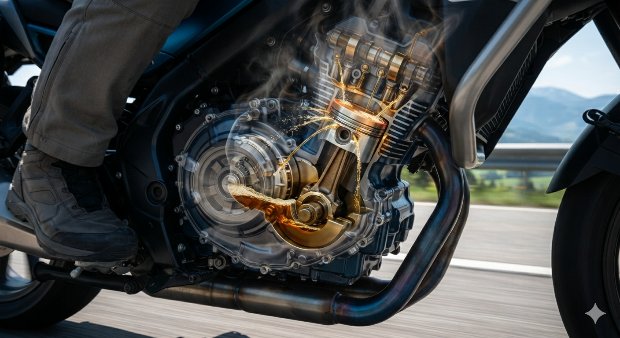
Sustained highway RPM and heat thin your engine oil faster than city riding does. Thinner oil can’t protect pistons, rings, and bearings as well, increasing wear. That’s why touring riders shouldn’t wait until the exact mileage limit in the manual — if you’re close to your oil change and about to head out on a multi-day trip, change it before you go.
Tires and Tire Pressure
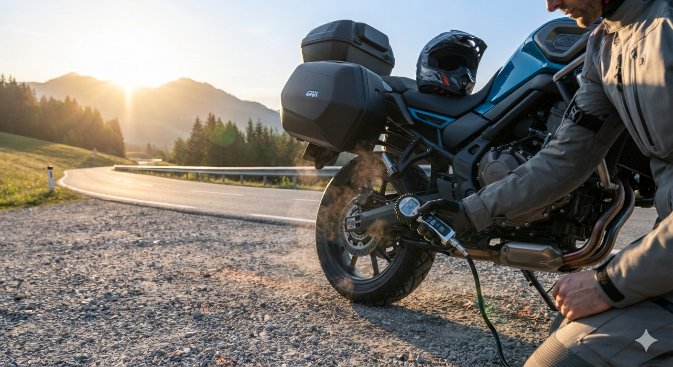
Tires heat up from rolling friction, which raises internal air pressure — usually about 1.5 PSI for every 10°C increase. This is normal once tires reach operating temperature. The mistake many riders make is checking pressure mid-ride and adjusting it based on the hot reading, which leads to under-inflation once the tires cool. Always check and set tire pressure when cold, ideally first thing in the morning before riding.
Chain and Drivetrain
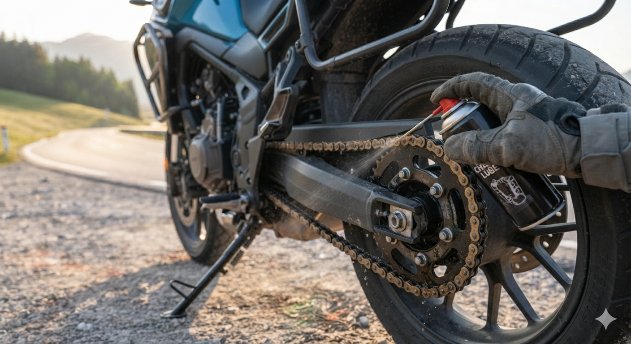
Chains rely on lubricant to reduce friction between rollers, pins, and sprocket teeth. Long highway rides burn through lubricant faster due to heat and centrifugal force flinging it off. Most manufacturers recommend cleaning and lubricating every 300 to 600 kilometres, and immediately after rain, since water strips lubricant and speeds up rust.
Brakes and Brake Fluid
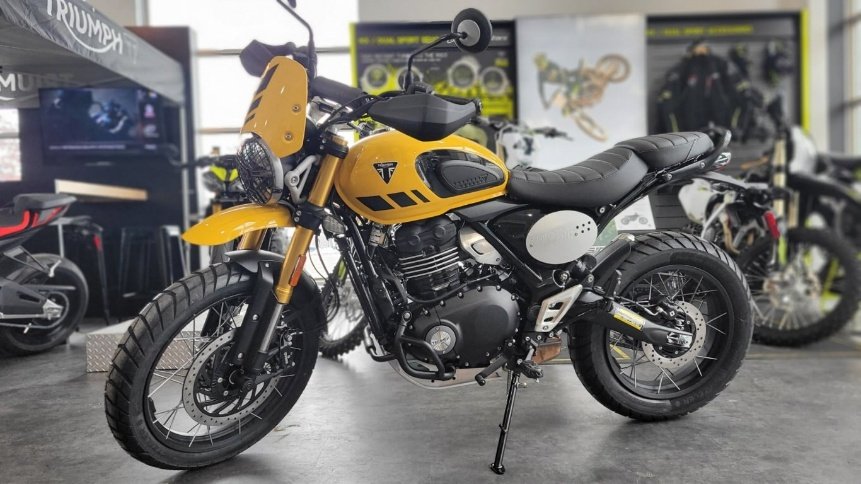
Brake fluid absorbs moisture over time (it’s hygroscopic). Long descents or frequent braking heat the fluid repeatedly, accelerating moisture absorption and causing a spongier lever feel with less stopping power. This is often overlooked because it doesn’t show obvious wear like tires or chains.
Suspension
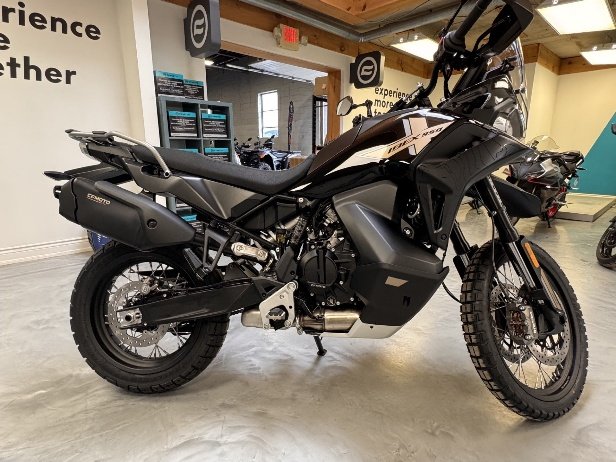
Fork oil and rear shock fluid heat up and cool down repeatedly on long rides, especially on rough or twisty roads. Over time, this thermal cycling degrades seals and damping, leading to a softer or less controlled ride before it becomes a mechanical issue.
Fasteners and Fairings
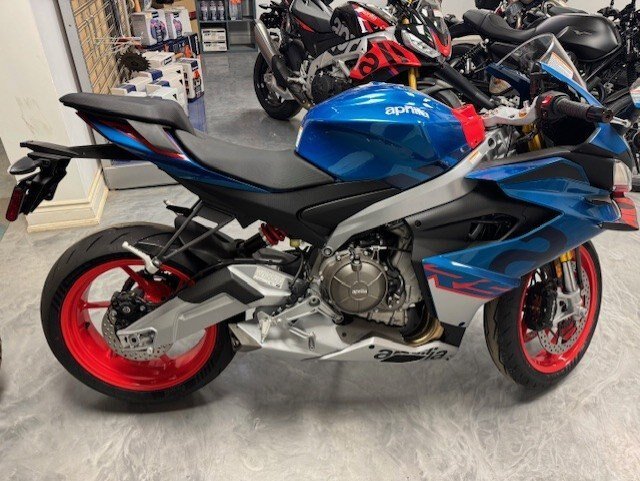
Engine vibration and road bumps can slowly loosen bolts on fairings, mirrors, footpegs, and luggage mounts. A quick five-minute check of vibration-prone fasteners before and during multi-day trips can prevent something rattling off on the highway.
Recommended chain cleaning and lubrication interval during road trips and touring.
Ideal operating temperature range for most motorcycle tires during normal riding.
Typical tire pressure increases for every 10°C rise in temperature during sustained riding.
“Long-distance riding doesn’t damage a well-maintained motorcycle — it exposes a poorly maintained one. Heat, vibration, and sustained load simply accelerate whatever wear is already building in your oil, tires, chain, and brakes.”
Comparing How Long Rides Affect Each Component
| Component | Effect of Long Rides | Preventive Action |
|---|---|---|
| Engine oil | Heat and sustained RPM reduce viscosity and lubrication quality | Change oil before the trip if within 1,000 km of due date |
| Tires | Rolling friction raises internal pressure and accelerates tread wear | Check pressure cold every morning; inspect tread and sidewalls at fuel stops |
| Chain | Extended mileage and heat dry out lubricant, accelerating stretch | Clean and re-lube every 300–600 km, and after any rain |
| Brakes | Repeated heat cycles accelerate moisture absorption in fluid | Flush brake fluid per service schedule; inspect pads before long trips |
| Suspension | Thermal cycling gradually fatigues seals and damping | Have fork oil and shock service performed at recommended intervals |
| Fasteners | Vibration slowly loosens bolts on fairings and accessories | Torque-check vibration-prone bolts before and mid-trip |
| Battery | Heat and constant electrical load accelerate degradation | Inspect terminals and test voltage before long-distance travel |
How to Prepare Your Motorcycle for a Long Road Trip
- Check tires cold before leaving: correct PSI, tread depth, and look for cracking or embedded debris.
- Inspect and lubricate the chain, checking slack against your manufacturer’s specification.
- Verify fluid levels: engine oil, coolant, and brake fluid.
- Change the oil if you’re within roughly 1,000 km of your scheduled interval.
- Test the battery, especially if the bike has been unused for several weeks.
- Torque-check key fasteners on fairings, mirrors, and luggage racks.
- Pack basic tools for chain adjustment, tire pressure checks, and fuse replacement.
For seasonal care tips, especially if you’re riding through Ontario summers, check out our article on preparing your motorcycle for long summer road trips.
How to Protect Motorcycle Performance During Long-Distance Riding
Beyond pre-trip prep, a few habits during your ride make a big difference. Stop every 100 to 150 kilometres (about every 90 minutes) to stretch, hydrate, and let your bike cool down — this helps reduce rider fatigue and heat buildup in the engine and tires. At every fuel stop, do a quick walk-around: check tire pressure and tread, listen to chain noise, and glance at fluid levels and fastener tightness in high-vibration areas.
Comfort matters more than most riders realize. A cramped riding position tires you out faster and makes you want to skip stops — which means fewer inspections. If you often feel strain on rides over two hours, adjusting your seat, handlebars, or footpegs can keep you comfortable enough to stick to your inspection routine.
Signs Your Motorcycle Needs Service After a Road Trip
Once you’re back from a longer trip, a few warning signs are worth acting on quickly rather than waiting for your next scheduled service:
- New chain noise, visible rust, or excess slack beyond spec
- Uneven or accelerated tire wear, especially on the edges or centre of the tread
- A spongy or softer brake lever feel compared to before the trip
- Higher-than-normal oil consumption or a burning smell after highway stretches
- Vibration or looseness around fairings, mirrors, or luggage mounts
If you notice any of these, book a post-trip inspection with our service department before small issues turn into big repairs.
Recommended Maintenance Schedule for Frequent Riders
If you regularly rack up long highway kilometres, tighten up your maintenance intervals compared to short-distance commuters. Check chain lubrication every 300–600 km, inspect tire pressure and tread at every fuel stop, and don’t push oil changes to the manual’s maximum interval if you’re often riding in heat or carrying luggage and a passenger. Using genuine OEM parts and fluids keeps your maintenance aligned with manufacturer specs and warranty requirements.
Frequently Asked Questions
Can long motorcycle rides damage an engine?
Long rides don’t damage a healthy engine by themselves, but sustained high RPMs and heat break down oil viscosity, reducing lubrication. If oil isn’t changed on time, thinner oil leads to more metal-on-metal wear on pistons, rings, and bearings.
How often should I lubricate my motorcycle chain during a road trip?
Clean and lubricate your chain every 300 to 600 kilometres on a road trip, and immediately after rain. Heat and mileage dry out lubricant faster than normal commuting, so check it at every fuel stop on multi-day trips.
Do motorcycle tires lose pressure on long rides?
Tire pressure actually increases during long rides as friction heats the air inside, usually about 1.5 PSI for every 10°C rise. Always set pressure when tires are cold before you start riding, not mid-ride.
Should I change my oil before a long motorcycle trip?
If your oil is within 1,000 kilometres of its due date, change it before the trip. Fresh oil handles sustained heat and highway RPMs much better than oil that’s partially broken down.
How often should I inspect my motorcycle during a multi-day trip?
Do a quick walk-around at every fuel stop and a thorough check every morning before riding: tire pressure and tread, chain tension and lubrication, fluid levels, and torque on vibration-prone bolts.
Does highway riding wear a motorcycle out faster than city riding?
Highway riding is generally easier on the motorcycle’s clutch and brakes than stop-and-go city riding, but it puts sustained heat and RPM load on the engine and drivetrain for hours — a different kind of wear, not necessarily more.