Classic vs. Modern Vespa: What’s the Real Difference?
 Print
Print Contact Us
 Share this


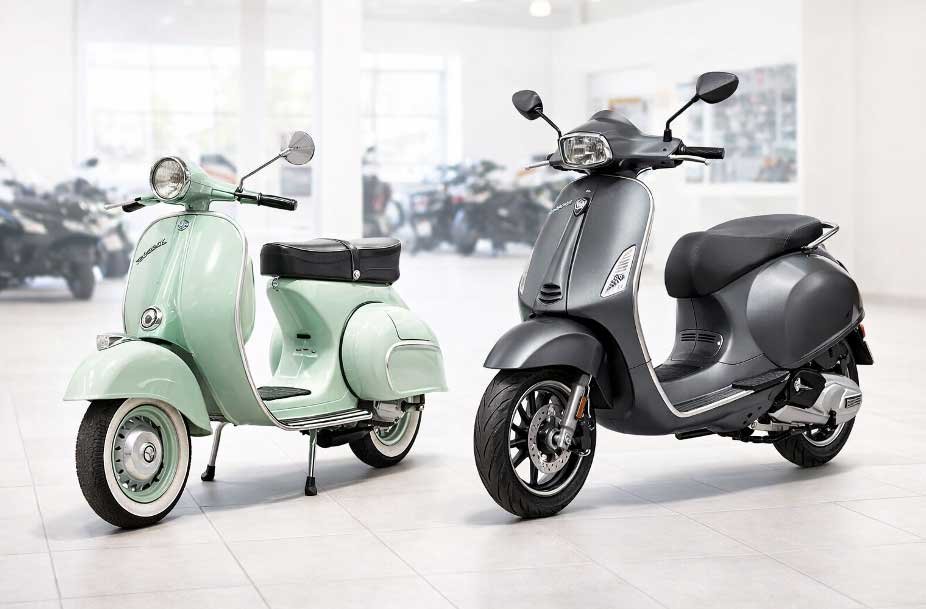
Vespas have symbolized style, freedom, and urban mobility since 1946. From the original models produced by Piaggio to today’s high-tech scooters, Vespa has evolved dramatically while maintaining its remarkable identity.
So what’s actually different between classic Vespas and modern models?
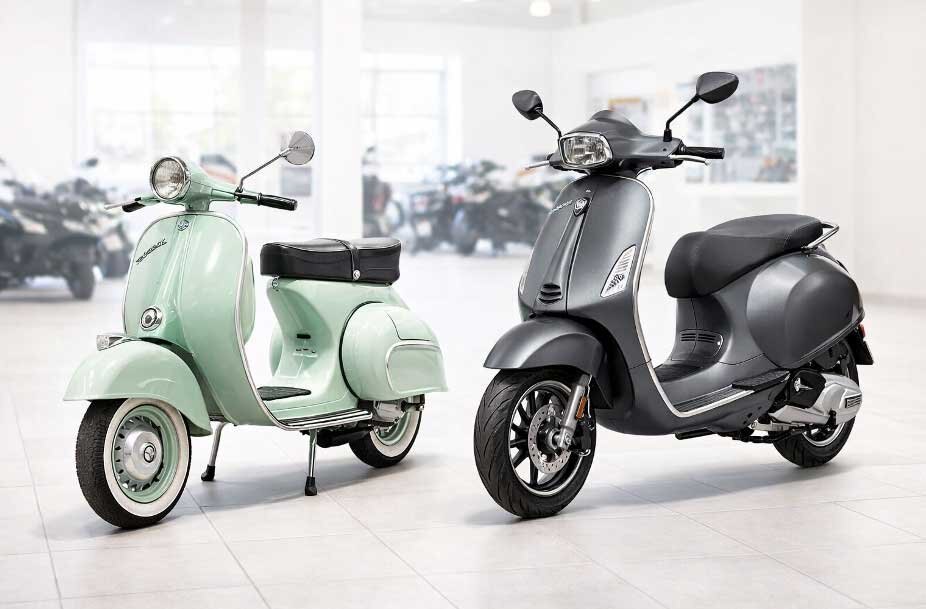
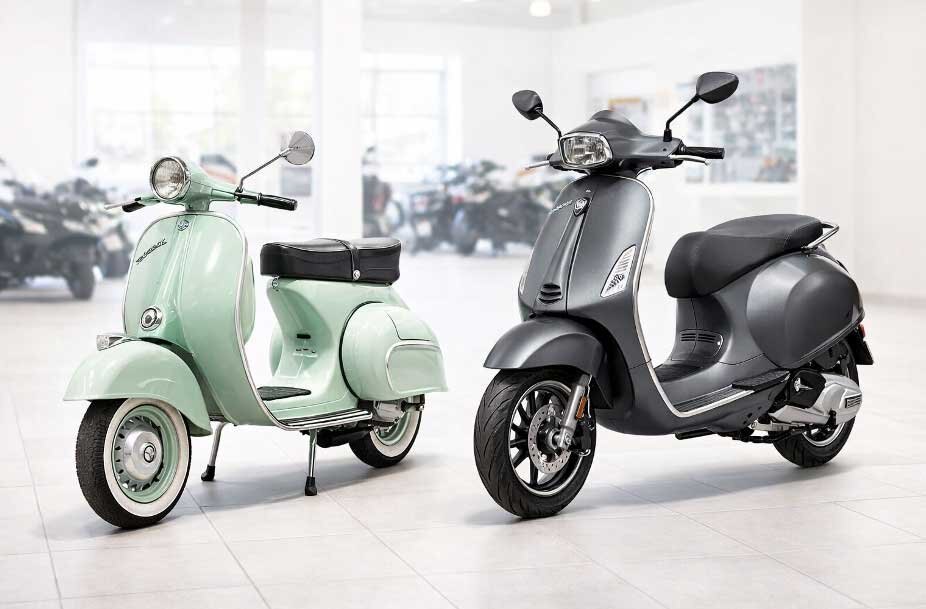
In this article, we will explore the key differences between classic Vespa models and their modern counterparts, covering aspects such as design, performance, technology, and more. Whether you're a vintage enthusiast or considering a new purchase, understanding these differences will help you make an informed decision.
Classic vs. Modern Vespa at a Glance
- Design: Classic Vespas feature rounded shapes; modern models have sharper lines.
- Engine: Classic models use two-stroke engines; modern ones utilize four-stroke technology.
- Fuel Efficiency: Newer Vespas offer a significantly better fuel economy.
- Safety: Modern models come equipped with advanced safety features like ABS.
- Comfort: Newer models prioritize rider comfort with ergonomic designs.
Design Evolution
Vespa’s look has changed over the years, blending classic charm with modern functionality.
Classic Vespa Aesthetics
Classic Vespa models, such as the Vespa 125 and PX series, are characterized by their iconic rounded shapes and retro styling. The design elements include:
- Curved Bodywork: The body of classic Vespas features smooth, flowing lines that contribute to their timeless appeal.
- Small Wheels: Typically equipped with 10 to 11-inch wheels, these scooters offer a distinctive look and maneuverability.
- Manual Controls: Most classic models come with manual gear shifts, giving riders a more hands-on experience.
Modern Vespa Styling
In contrast, modern Vespa models like the GTS and Primavera have embraced contemporary design trends while retaining the brand's classic essence. Key features include:
- Sleeker Profiles: Modern Vespas have sharper lines and a more aggressive stance, appealing to a younger audience.
- Larger Wheels: With sizes ranging from 11 to 12 inches, these scooters provide improved stability and handling.
- Automatic Transmission: Many newer models feature automatic transmissions, making them more accessible to a broader range of riders.
Engine & Performance Differences
Vespa engines have evolved from simple, hands-on two-stroke motors to smoother, cleaner, and more powerful four-stroke and electric options. These changes make a big difference in speed, maintenance, fuel efficiency, and overall riding experience.
Classic Vespa Engines (Two-Stroke)
Older Vespa models typically feature two-stroke engines, which are known for their simplicity and ease of maintenance. Characteristics include:
- Engine Size: Classic models often come with smaller engine displacements, ranging from 50cc to 150cc.
- Power Delivery: The two-stroke engines provide a peppy performance, but they may lack the torque and efficiency of modern engines.
Modern Vespa Engines (Four-Stroke & Electric)
Modern Vespas have transitioned to four-stroke engines, which offer several advantages:
- Increased Displacement: Newer models often feature larger engines, such as the 300cc GTS, providing more power and better highway capabilities.
- Fuel Efficiency: Four-stroke engines are generally more fuel-efficient, reducing the cost of ownership and environmental impact.
- Enhanced Performance: With improved torque and acceleration, modern Vespas can keep up with urban traffic more effectively.
For daily rides and city commutes, modern engines offer smoother acceleration and better efficiency. Check here if Vespa is good for everyday use.
Fuel Efficiency Comparison
Four-stroke engines are significantly more fuel-efficient and environmentally friendly, especially important for daily commuters.
|
Model Type |
Average MPG |
|
Classic Two-Stroke |
40–50 mpg |
|
Modern Four-Stroke |
70–80 mpg |
|
Electric |
No fuel required |
Safety: Then vs. Now
Safety has improved significantly from older Vespa models to today’s versions, with modern scooters offering enhanced braking, better visibility, and advanced rider-assist technology.
Classic Vespa Safety
Older Vespa models often lack modern safety features, which can be a concern for riders. Common safety aspects include:
- Drum brakes
- Basic suspension
- Limited headlight output
- No ABS or traction control
Modern Vespa Safety Enhancements
Today’s Vespas come equipped with:
- Front and rear disc brakes
- ABS (Anti-lock Braking System)
- ASR (Traction Control)
- LED lighting systems
- Improved chassis rigidity
These features dramatically increase rider confidence, particularly in urban traffic and wet conditions.
Technology Integration
Over the years, Vespa has shifted from simple, mechanical instruments to digital displays and smart features designed to improve the riding experience.
Classic Simplicity
Classic Vespas are known for their straightforward mechanics, which appeal to purists. Features include:
- Analog speedometer
- Basic fuel gauge
- No digital electronics
- Zero connectivity
Modern Tech Features
Modern Vespas incorporate cutting-edge technology to enhance the riding experience:
- Digital dashboards
- Trip computers
- Smartphone connectivity (select trims)
- USB charging ports
Comfort & Ergonomics
Modern and classic Vespas offer very different riding experiences, especially when it comes to seat comfort, posture, and overall ergonomics.
Classic Vespa Comfort
While classic Vespas have a nostalgic charm, they may not offer the same level of comfort as modern models. Considerations include:
- Seat Design: Older models often have firmer seats that may not provide the best support for longer rides.
- Riding Position: The riding position can be less ergonomic, leading to discomfort during extended use.
Modern Vespa Comfort Features
Newer Vespa models prioritize rider comfort with various enhancements:
- Ergonomic Seats: Modern seats are designed for better support, often featuring cushioning and adjustable options.
- Wind Protection: Many models can be equipped with windshields, providing additional comfort during rides.
Maintenance & Reliability
How much work your Vespa needs, and how dependable it feels, vary greatly between older classics and modern models.
Classic Vespa Maintenance
Owning a classic Vespa can be rewarding, but it often requires more hands-on maintenance:
- Frequent Servicing: Older models may need more regular servicing due to their simpler engine designs and older technology.
- Parts Availability: Finding replacement parts for classic models can be challenging, especially for rare variants.
Modern Vespa Reliability
Modern Vespas are designed with reliability in mind, offering several advantages:
- Improved Durability: Newer models are built with advanced materials and engineering, leading to fewer breakdowns.
- Easier Maintenance: Many modern Vespas have standardized parts, making repairs and servicing more straightforward.
Pricing & Value
From collector appeal to modern technology, both classic and new Vespas offer unique value depending on your budget and priorities.
Classic Vespa Pricing
The market for classic Vespas can vary significantly based on model, condition, and rarity:
- Collectible Value: Some classic models can fetch high prices among collectors, while others may be more affordable.
- Restoration Costs: Restoring a classic Vespa can be costly, depending on the extent of the work needed.
Modern Vespa Pricing
Newer Vespa models typically have a more predictable pricing structure:
- Initial Cost: Modern Vespas generally range from $3,000 to $7,000, depending on the model and features.
- Depreciation: Newer models may depreciate faster than classics, but they often retain good resale value due to brand loyalty.
Modern Vespas add premium tech and build quality; here’s why Vespas cost more than other scooters.
Feature Comparison Table
Here’s a quick side-by-side look at how classic and modern Vespa models differ in core features.
|
Feature |
Classic Vespa |
Modern Vespa |
|
Engine |
Two-stroke |
Four-stroke / Electric |
|
Transmission |
Manual |
Automatic (CVT) |
|
MPG |
40–50 |
70–80 |
|
Brakes |
Drum |
Disc + ABS |
|
Technology |
Analog |
Digital + Smart Features |
|
Maintenance |
Frequent tuning |
Low-maintenance |
|
Collector Value |
High (select models) |
Moderate |
|
Comfort |
Basic |
Enhanced |
Pros & Cons
Both classic and modern Vespas have their strengths and weaknesses, and understanding them helps riders choose the right fit.
Classic Vespa Pros and Cons
Pros:
- Timeless design and nostalgic appeal.
- Simplicity in mechanics makes them easy to work on.
- Potential for high resale value among collectors.
Cons:
- Limited safety features and technology.
- Higher maintenance needs and costs.
- Less fuel-efficient compared to modern models.
Modern Vespa Pros and Cons
Pros:
- Advanced safety features and technology.
- Better fuel efficiency and performance.
- Enhanced comfort and reliability.
Cons:
- Higher initial purchase price.
- May lack the charm and character of classic models.
- Potential for faster depreciation.
Rider Tips for Choosing Between Classic and Modern Vespas
Before deciding which model suits you, consider your riding needs, comfort preferences, and long-term ownership expectations.
- Assess Your Riding Needs: Consider how you plan to use the scooter. For daily commuting, a modern Vespa may be more suitable, while a classic could be ideal for leisurely rides.
- Budget Considerations: Factor in not only the purchase price but also maintenance and insurance costs.
- Test Ride: If possible, test ride both classic and modern models to see which feels more comfortable and suits your style.
- Research Availability: Check local markets for parts and service options, especially if considering a classic model.
- Join a Community: Engage with Vespa clubs or online forums to gain insights from other riders and enthusiasts.
Frequently Asked Questions
- What is the main difference between classic and modern Vespas?
The primary difference lies in engine technology, design aesthetics, and safety features.
- Are classic Vespas reliable?
While classic Vespas have a charm, modern models are generally more reliable due to improved engineering. Learn more about our Vespa reliability for a deeper look.
- Can I still find parts for classic Vespas?
Yes, though availability varies depending on model and region.
- Which Vespa is better for city commuting?
Modern Vespas are typically better suited for city commuting due to their fuel efficiency and safety features.
- What is the average price range for modern Vespas?
Modern Vespas typically range from $3,000 to $7,000, depending on the model and features.
Final Thoughts
Both classic and modern Vespas carry the signature identity that began with Piaggio in post-war Italy. The difference lies in what kind of rider you are.
If you crave nostalgia, mechanical engagement, and heritage, go classic. If you want safety, efficiency, and everyday practicality, go modern. Either way, you’re not just buying a scooter.
You’re buying a piece of Italian design history.
Ready to Find Your Perfect Vespa?
At Maxxim Motorsports, we help riders explore both vintage-inspired and modern Vespa models to find the perfect fit for their lifestyle.
Stop by, compare models side-by-side, and take your favorite for a test ride.
Happy scooting.