Why is a Vespa so expensive?
 Print
Print Contact Us
 Share this


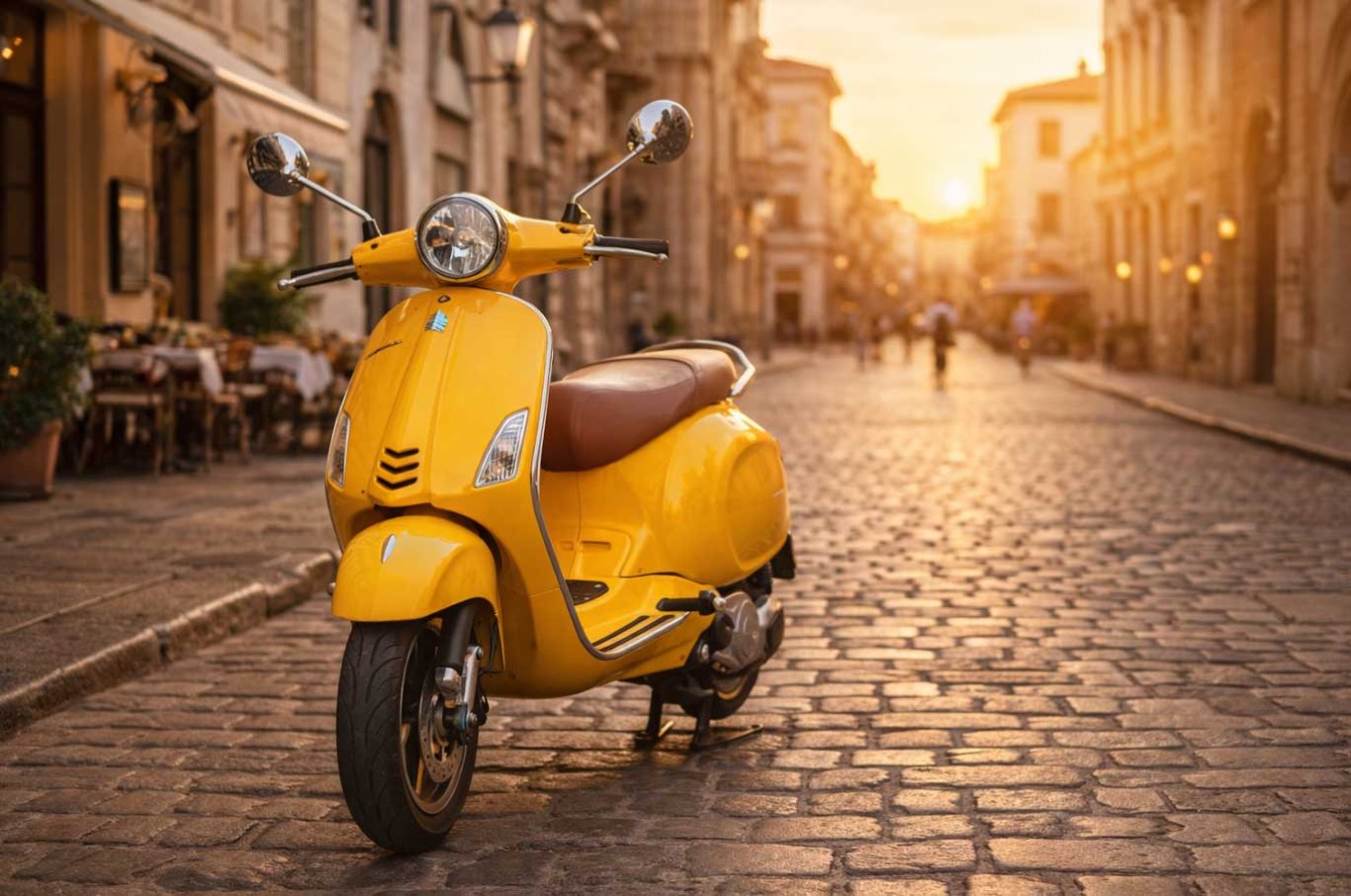
Vespa scooters are more expensive because they combine Italian heritage, all-metal construction, premium engineering, lifestyle branding, and exceptional resale value. Compared with other brands, Vespa offers long-term durability, iconic design, and a distinctive ownership experience. This guide explains exactly what you’re paying for — and whether it’s worth it.
Quick Takeaways
Vespas cost more ($4,500–$9,000+) because:
- Iconic Heritage: 75+ years of Italian style and culture.
- All-Metal Build: Durable steel body vs. cheap plastic on rivals—lasts decades.
- Made in Italy: Handcrafted quality with higher labor costs.
- Advanced Features: Powerful engines, ABS brakes, great handling.
- Lifestyle Brand: Exclusivity, limited editions, strong community.
- High Resale Value: Keeps 70–80% value; used market is hot.
- Strong Demand: Urban riders love the style—Piaggio limits supply for prestige.
Why are Vespa scooters so expensive compared to other brands?
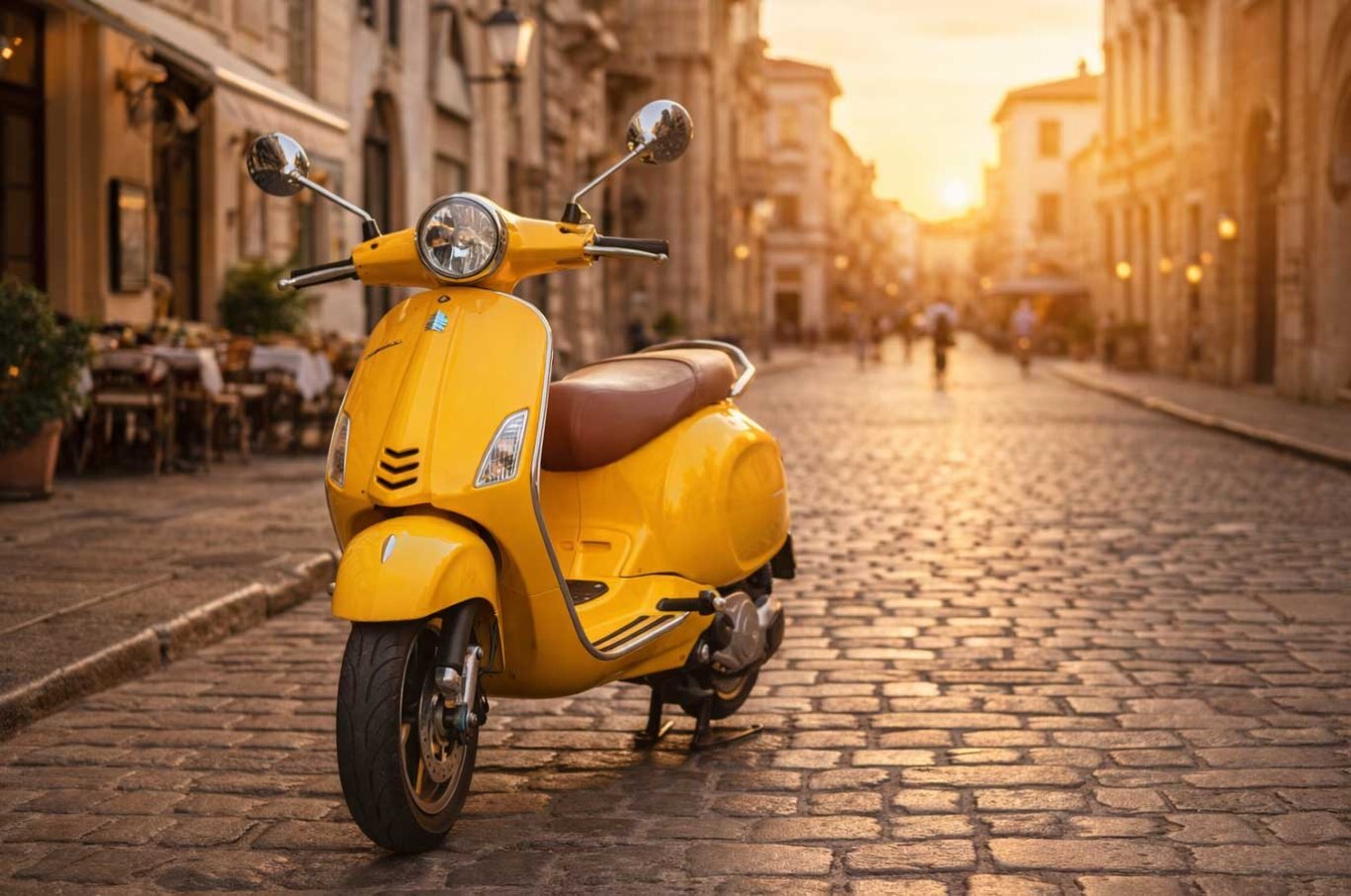
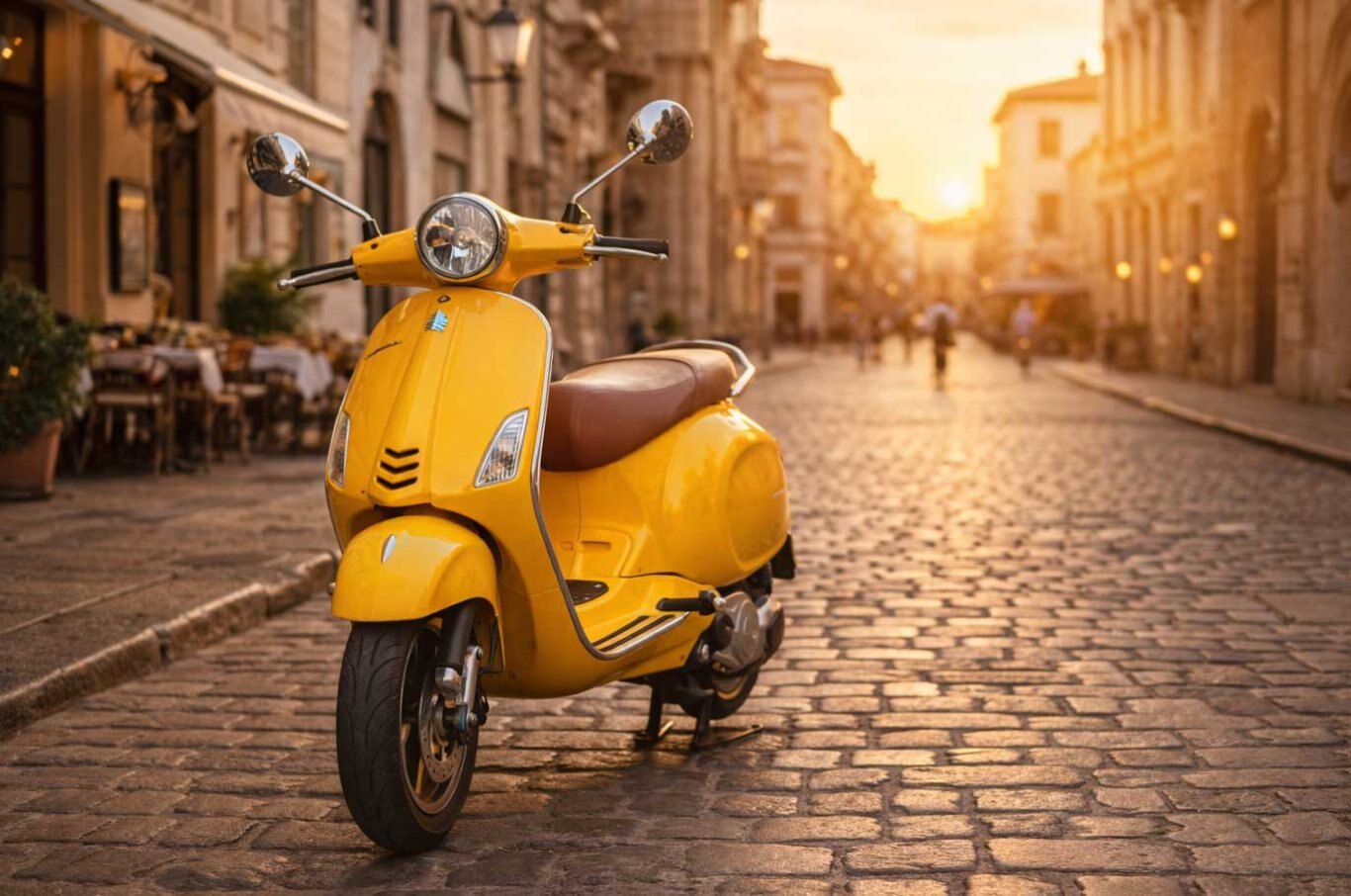
Vespa scooters are instantly recognizable symbols of Italian style, freedom, and elegance. Yet for many prospective buyers, admiration quickly turns to surprise when they see the price tag. Why does a Vespa often cost thousands more than other scooters?
The answer lies in a blend of heritage, craftsmanship, materials, engineering, and brand philosophy. Vespa is not simply selling transportation — it offers a design icon, a cultural legacy, and a distinctive ownership experience. Understanding these factors helps buyers decide whether Vespa’s premium aligns with their values and priorities.
1. Rich Heritage and Cultural Icon Status
Vespa’s story begins in post-World War II Italy, when Piaggio pivoted from military manufacturing to affordable civilian mobility. In 1946, aeronautical engineer Corradino D’Ascanio designed a revolutionary scooter featuring a step-through frame, enclosed engine, and monocoque chassis — innovations that defined the category.
The name Vespa (“wasp” in Italian) reflected the scooter’s narrow waist and buzzing engine note. Global fame arrived in 1953 with Roman Holiday, when Audrey Hepburn and Gregory Peck rode a Vespa through Rome. That moment cemented Vespa as a symbol of youth, romance, and freedom.
Why heritage matters:
When you buy a Vespa, you’re buying into nearly 80 years of uninterrupted design evolution — a rarity in the vehicle world. That legacy adds intangible but real value that mass-market scooters cannot replicate.
2. Premium All-Metal Construction (Why Steel Costs More)
One of the biggest reasons Vespa scooters cost more is their all-metal steel monocoque construction. Most modern scooters use plastic body panels to cut costs. Vespa does not.
Benefits of Vespa’s Steel Body
- Exceptional durability (many 50-year-old Vespas still run)
- Stronger structural integrity
- Better stability and handling
- Greater safety in minor impacts
- Timeless, premium feel
What Is a Monocoque Frame?
A monocoque design means the body itself is the frame. This construction is more expensive to manufacture but results in a scooter that feels solid, planted, and long-lasting.
This single design decision explains much of Vespa’s higher price — and legendary longevity. For riders curious about how Vespa’s build quality translates into real-world performance, check out our guide on Vespa reliability and long-term durabilityexplained.
3. Authentic Italian Craftsmanship
Vespa scooters for major markets, including the U.S. and Europe, are still manufactured in Pontedera, Italy, where the brand began.
Why “Made in Italy” Increases Cost
- Higher labor costs than Asian manufacturing
- Skilled hand-finished welding and assembly
- Multiple layers of premium paint
- Rigorous quality control
Piaggio could outsource production to lower costs — but chooses not to. Preserving craftsmanship and brand authenticity is a core reason Vespa remains premium.
4. Advanced Engineering, Performance & Safety
Modern Vespas are not just stylish — they are technically refined machines.
Performance Highlights
- Fuel-efficient four-stroke engines
- Vespa GTS 300 produces 23+ horsepower
- Capable of highway speeds
Safety & Ride Quality
- ABS braking systems
- Traction control on selects models
- Large disc brakes (220mm)
- Larger wheels for improved stability
- Refined suspension for comfort
These features add cost — but also make Vespas safer, smoother, and more capable than many budget scooters.
5. Luxury Brand Positioning and Exclusivity
Vespa positions itself as a luxury lifestyle brand, not a budget commuter.
What This Means
- Limited-edition models (e.g., Vespa 946, Dior, Armani collaborations)
- Strong association with fashion and design
- Collector appeal and scarcity
This exclusivity keeps demand high and resale values strong. Some limited models even appreciate over time.
6. Strong Resale Value and Long-Term Ownership
Vespas depreciates slowly thanks to durability and desirability. Engines can last 50,000+ miles with maintenance. Many owners say the higher upfront cost pays off over time compared to cheaper scooters that wear out faster.
Vespa vs. Cheaper Alternatives
|
Brand / Model |
Price Range (MSRP) |
Key Differences |
|
Vespa Primavera / Sprint |
$4,500–$6,000 |
Metal body, Italian made, iconic design |
|
Vespa GTS 300 |
$7,500–$9,000 |
Highway-capable, premium features |
|
Honda PCX |
$4,000–$6,000 |
Reliable, plastic body |
|
Yamaha Zuma |
$3,000–$5,000 |
Utilitarian, lower cost |
|
Chinese Brands |
$1,500–$3,000 |
Budget, lower durability |
7. Market Demand for Vespa Scooters
Vespa prices remain high due to strong global demand.
- Urban-friendly & stylish: Ideal for city commuting and appealing to design-conscious riders.
- Timeless appeal: Durable construction and classic design keep used Vespas in high demand.
- Limited supply: Controlled production preserves exclusivity and resale value.
Who Should Buy a Vespa?
A Vespa is ideal if you:
- Value design, heritage, and craftsmanship
- Plan to keep your scooter long-term
- Appreciate resale value and sustainability
- Want transportation with personality and soul
You may prefer alternatives if you:
- Only want the cheapest possible transport
- Don’t care about design or brand legacy
- Plan to replace scooters frequently
If you’re planning to ride in Ontario or other Canadian provinces, be sure you understand Vespa licensing and legal requirements in Ontario.
Conclusion: Is a Vespa Worth the Price?
Vespa scooters cost more because they deliver more — in materials, engineering, durability, heritage, and emotional value. While cheaper scooters meet basic needs, Vespa offers something deeper: a timeless design, a refined ride, and a legacy that few brands can match.
For the right buyer, a Vespa isn’t an overpriced scooter — it’s a long-term investment in quality, style, and daily enjoyment.
To experience the craftsmanship and ride quality of Vespa for yourself, visit Maxxim Motorsports and explore their selection of Vespa scooters today.