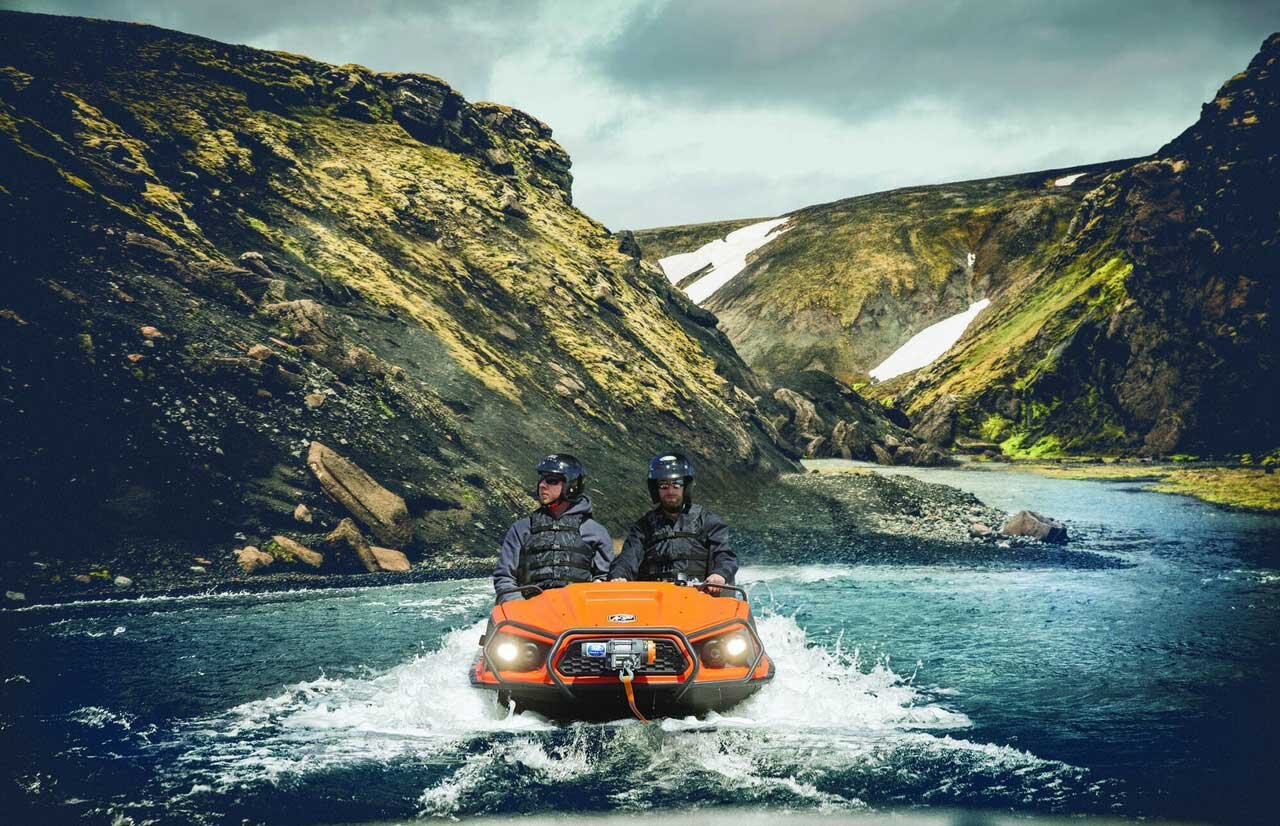


Can an Argo Go on a Lake?
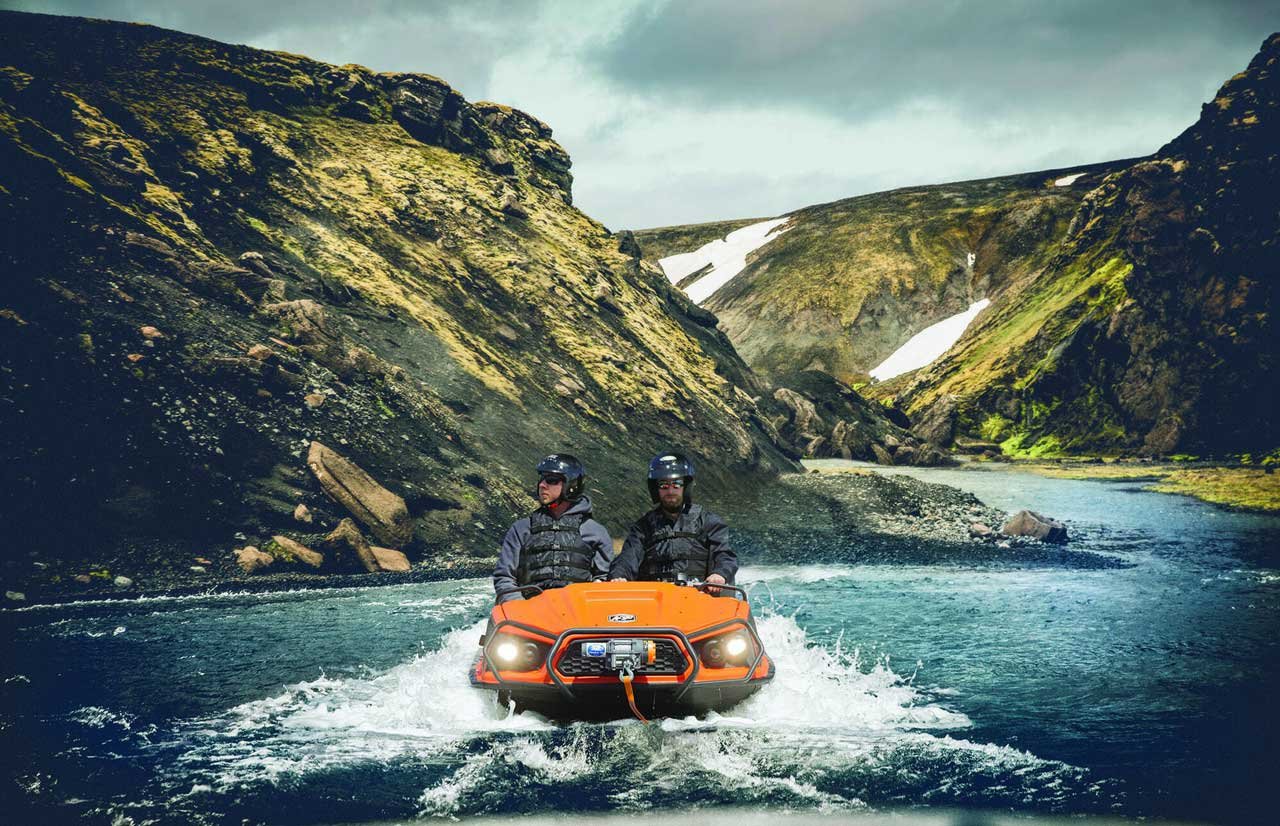
Operating an Argo vehicle on water can be an exhilarating experience, but it requires a good understanding of the vehicle's capabilities and limitations. These amphibious all-terrain vehicles (ATVs) are designed to traverse various landscapes, including muddy terrains, snow, and water. However, navigating a lake or any substantial body of water presents unique challenges. This comprehensive guide will walk you through everything you need to know about using an Argo on a lake, ensuring that you can enjoy your adventures safely and effectively.
Understanding the Argo's Design
Amphibious Capabilities
Argo vehicles are engineered to operate on both land and water. Their unique design allows them to float and maneuver across shallow bodies of water, making them suitable for lakes, ponds, and marshy areas. The buoyancy is achieved through the vehicle's lightweight materials and specially designed hull, which prevents water from entering the cabin.
Learn more about choosing the right Argo model for your needs .
Load Capacity Considerations
When operating an Argo on water, it is crucial to understand its load capacity. The payload capacity is significantly lower when the vehicle is floating compared to when it is on solid ground. Always refer to the data plate located on the left side of the cabin for specific load recommendations. For instance, if you have added accessories or larger tires, you may need to reduce the maximum payload to ensure buoyancy and stability.
Types of Argo Models
Different Argo models have varying capacities for carrying passengers and cargo while on water. For example:
- Aurora Models: Can accommodate up to four passengers on both land and water.
- 6-Wheel Frontier XTVs: Limited to two passengers when floating.
- 8-Wheel Frontier and Avenger Models: Can support up to four individuals on water.
Understanding these distinctions can help you choose the right model for your needs.
Preparing for Water Operations
Safety Equipment Essentials
Before venturing onto the water, ensure that you are equipped with essential safety gear:
-
Personal Flotation Devices (PFDs): All passengers must wear life jackets at all times while on the water.
-
Paddle: Carry a paddle to assist in maneuvering the vehicle if the engine fails.
- Bilge Pump: Most Argo models come with a built-in bilge pump. Check its functionality before entering the water and always have a bail can on board in case of emergencies.
Check out performance-enhancing tips for your Argo
Pre-Launch Inspections
Conduct a thorough inspection of your Argo before entering the water. Look for any signs of damage or wear, particularly on the hull, outer bearing flanges, and gaskets. Ensure that the two drain plugs located at the bottom rear of the hull are securely threaded in place to prevent water from entering the cabin.
Navigating Water Safely
Choosing the Right Entry Point
When approaching the water, select a gradual slope free of debris, rocks, and other potential hazards. If you must enter from a steeper incline, back the vehicle into the water to maintain balance. The engine's weight at the front can cause the rear to tip if not handled correctly.
Driving Techniques on Water
Once in the water, use partial throttle to maintain a steady speed. The maximum speed will be limited by the paddle ability of the tires, so avoid using full throttle, which can create turbulence without increasing speed. If you need to reverse, switch the transmission to neutral and use your paddle to navigate.
Avoiding Hazards
Be vigilant for submerged obstacles that could damage the hull. If water begins to enter the cabin, it’s crucial to return to land immediately. Additionally, steer clear of large bodies of water, strong currents, and windy conditions, as these can pose significant risks.
Utilizing an Outboard Motor
Motor Installation
For enhanced propulsion on water, you can attach an outboard motor to your Argo. Argo recommends using a long shaft motor with a maximum power of 10 HP to avoid cavitation issues. Ensure that the mounting bracket is installed correctly to facilitate safe operation.
Operating the Motor
When using an outboard motor, familiarize yourself with its controls and functions before heading out. This knowledge will help you respond effectively in case of emergencies or unexpected situations while on the water.
Returning to Shore
Identifying the Right Landing Area
When it’s time to return to land, look for a flat, obstacle-free area where both front tires can touch down simultaneously. This technique helps ensure a smooth transition from water to land.
Transitioning from Water to Land
Drive slowly onto the shore until all wheels are supported on solid ground. Once you are back on land, you can resume normal operations and check for any water that may have entered the hull during your outing.
Maintenance and Care
Regular Inspections
After every water outing, inspect your Argo for any signs of wear or damage. Pay particular attention to the hull, tires, and engine components. Regular maintenance will prolong the vehicle's lifespan and ensure safe operation.
Cleaning and Drying
After using your Argo in water, it’s essential to clean and dry the vehicle thoroughly. This practice helps prevent rust and corrosion, especially in components that may have been exposed to water.
Find an Argo dealer near you in Barrie or Oakville .
Conclusion
Operating an Argo on a lake can be a thrilling adventure, provided that you take the necessary precautions and understand the vehicle's capabilities. Always prioritize safety by wearing life jackets, conducting pre-launch inspections, and being aware of your surroundings. With proper preparation and care, you can enjoy the unique experience that an Argo offers in aquatic environments.
For more information about Argo models and their features, or to schedule a test drive, visit our website at Maxxim Motorsports. Embrace the thrill of adventure and explore the great outdoors with confidence!